
As we move through our 40s, 50s, and beyond, maintaining muscle, strength, and overall health becomes increasingly important.
One nutrient plays a particularly important role in that process: protein.
But how much do you actually need? Is the standard recommendation enough? And do you need protein shakes to reach your goals?
The answer depends on your body weight, activity level, health, and what you’re trying to achieve.
Why Protein Matters More as We Age
Protein provides the amino acids our bodies use to build and repair tissues, including muscle.
As we age, our muscles can become less responsive to the muscle-building effects of protein. Combined with reduced physical activity, this can contribute to gradual losses in muscle mass and strength.
The good news? Adequate protein intake combined with regular resistance training can help preserve muscle and physical function as we get older.
And maintaining muscle isn’t just about appearance. It’s about staying strong, capable, active, and independent.
How Much Protein Should You Eat?
The standard Recommended Dietary Allowance (RDA) for healthy adults is approximately 0.8 grams of protein per kilogram of body weight per day.
However, that baseline isn’t necessarily the ideal target for someone who exercises regularly or wants to optimize muscle maintenance.
Research-based recommendations vary:
- General adult baseline: 0.8 g/kg/day.
- Healthy adults over 65: approximately 1.0–1.2 g/kg/day, according to expert recommendations.
- Healthy, regularly exercising adults: approximately 1.4–2.0 g/kg/day is a commonly recommended range for supporting muscle maintenance and training adaptations.
These are different populations and recommendations, not universal targets for everyone over 40.
For an active, generally healthy adult over 40, a practical starting point may be around 1.2–1.6 g/kg/day, adjusted according to training demands, goals, and individual circumstances.
What Does That Look Like in Practice?
Here are example daily targets using 1.2–1.6 grams per kilogram:
| Body Weight | Daily Protein |
|---|---|
| 60 kg | 72–96 g |
| 70 kg | 84–112 g |
| 80 kg | 96–128 g |
| 90 kg | 108–144 g |
| 100 kg | 120–160 g |
These are illustrative targets, not individual prescriptions.
Should You Spread Protein Throughout the Day?
For many people, the challenge isn’t necessarily eating enough protein at dinner. It’s getting adequate amounts throughout the entire day.
Breakfast might consist of toast and coffee. Lunch might be a light salad. Then nearly all the day’s protein comes at dinner.
A more practical approach is to include a meaningful protein source at each main meal.
For example:
Breakfast: Greek yogurt, eggs, or tofu.
Lunch: Chicken, fish, lentils, or tempeh.
Dinner: Fish, lean meat, soy foods, or another protein-rich meal.
A protein-rich snack can help bridge the gap when needed.
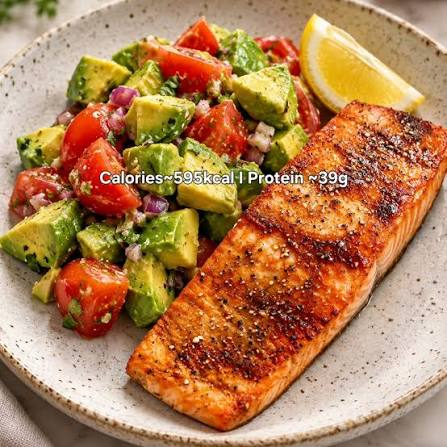
For many adults, aiming for approximately 25–40 grams at main meals can be a useful planning strategy, although the ideal amount varies.
Do You Need Protein Supplements?
Not necessarily.
Whole foods can provide all the protein you need.
However, a protein shake may be convenient when you’re travelling, managing a demanding schedule, or struggling to meet your daily intake through regular meals.
Think of protein powder as a practical tool, not a requirement.
Protein Alone Isn’t Enough
Increasing protein intake without addressing physical activity misses an important part of the equation.
Resistance training provides the stimulus. Protein provides the building materials.
Together, they support muscle maintenance and adaptation.
You don’t need to become a competitive bodybuilder. A consistent, appropriately designed strength-training routine can make a meaningful difference.
The DSHANE Approach: Make It Practical
Nutrition shouldn’t become another source of stress in an already demanding life.
Start with three simple actions:
- Understand approximately how much protein you’re currently eating.
- Include a quality protein source in each main meal.
- Combine your nutrition habits with regular strength training.
Then adjust based on your progress, preferences, and lifestyle.
If you have kidney disease or another medical condition requiring dietary protein management, consult your healthcare professional before substantially increasing protein intake.
Final Thoughts
Getting enough protein after 40 isn’t about chasing the highest possible number.
It’s about supporting your strength, maintaining muscle, and building habits that contribute to a healthier, more capable life.
The best nutrition strategy is one that fits your goals, your schedule, and your everyday reality.
Your health deserves to be a priority.
Coaching Built Around You
At DSHANE, personalized nutrition, fitness, and lifestyle coaching helps you turn information into consistent action.
Whether you’re looking to improve your nutrition, build strength, increase energy, or develop healthier habits, the approach starts with understanding you.
Research References
- Bauer et al. (2013). Evidence-Based Recommendations for Optimal Dietary Protein Intake in Older People. Journal of the American Medical Directors Association. https://doi.org/10.1016/j.jamda.2013.05.021
- Jäger et al. (2017). International Society of Sports Nutrition Position Stand: Protein and Exercise. Journal of the International Society of Sports Nutrition. https://doi.org/10.1186/s12970-017-0177-8
- Deutz et al. (2014). Protein Intake and Exercise for Optimal Muscle Function With Aging. Clinical Nutrition. https://pubmed.ncbi.nlm.nih.gov/24814383/
Leave a Reply