
By Darren Shane | DSHANE Insights
We live in a world where being busy has almost become a measure of success. Long working hours, back-to-back meetings, family responsibilities and the constant connection to our phones have become a normal part of everyday life.
Somewhere in between all of this, we’re also trying to exercise, eat well, maintain relationships and find a little time for ourselves.
It’s no wonder so many people feel exhausted.
Throughout my years in health and fitness, I’ve come to appreciate that improving our health isn’t always about doing more. Sometimes, it’s about recognizing when we need to do less.
Working Hard Isn’t Always the Answer
I’ve always enjoyed being active. Whether it’s strength training, surfing, running, baseball or yoga, movement has been a big part of my life.
But as I’ve gotten older, I’ve developed a much greater appreciation for recovery and the importance of listening to my body.
The same principle applies to our professional lives.
You might spend eight to ten hours working, squeeze in a workout, answer emails throughout the evening and finally get to bed much later than intended. Then you wake up and repeat the process.
You may be getting things done, but how well are you actually recovering?
Exercise is a form of physical stress. Work, deadlines and personal responsibilities can create psychological stress. Although these demands are different, they all influence how we feel and function.
When we continually place demands on ourselves without allowing adequate recovery, eventually something is likely to suffer.
Sleep: The Foundation We Often Overlook
If there’s one area of health that deserves more attention, it’s sleep.
People often focus on finding the perfect workout program, improving their nutrition or taking supplements, yet regularly compromise on something as fundamental as getting enough quality sleep.
Adequate sleep supports:
- Physical recovery and muscle repair
- Concentration and decision-making
- Appetite regulation
- Immune function
- Emotional wellbeing
- Energy and exercise performance
Most adults should aim for approximately seven to nine hours of sleep each night, although individual needs vary.
It’s also worth paying attention to the quality and consistency of your sleep, not just the number of hours.
A regular bedtime, a cooler and darker bedroom, less caffeine later in the day and reducing work-related screen time before bed are all practical places to start.
You don’t necessarily need an expensive sleep tracker or a complicated evening routine. Getting the basics right consistently can make a meaningful difference.
Learning to Slow Down
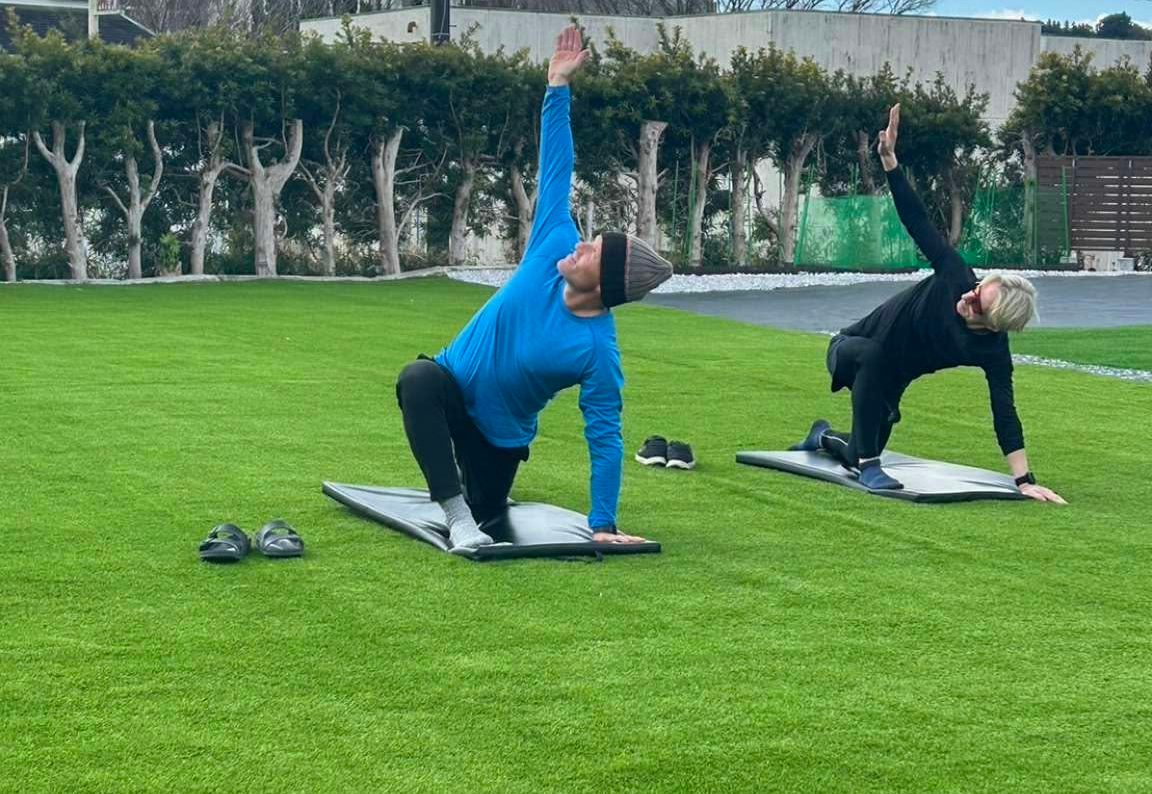
One of the things I appreciate most about yoga and mindfulness training is the opportunity to disconnect from everything happening around us.
For many people, even sitting quietly for five minutes can feel uncomfortable. We’re so accustomed to being stimulated, entertained or productive that doing nothing feels like wasting time.
But when was the last time you went for a walk without checking your phone? Sat outside with a coffee without reading emails? Or simply took a few minutes to focus on your breathing?
Living near the ocean in Japan has given me an even greater appreciation for these quieter moments.
Mindfulness doesn’t have to involve a formal meditation practice. It can be as simple as being fully present while walking, stretching, eating a meal or spending time outdoors.
Giving yourself a little mental space during the day can help you manage stress and become more aware of how you’re feeling, both physically and mentally.
Recovery Doesn’t Mean Doing Nothing
Rest and recovery look different for everyone.
If you’ve spent the entire day sitting at a desk, a relaxed evening walk might be exactly what you need. If you’ve been training intensely throughout the week, some gentle mobility work, yoga or a complete day off might be more appropriate.
The important thing is understanding what your body needs rather than automatically pushing yourself harder.
Some days you’ll feel energized and ready to challenge yourself. Other days, particularly after poor sleep or a demanding week at work, adjusting your training intensity may be the better decision.
Learning to recognize the difference is an important part of developing a sustainable approach to fitness.
Five Simple Habits Worth Building
Rather than trying to completely restructure your lifestyle overnight, start with a few manageable changes.
1. Protect your sleeping hours.
Give sleep the same importance you give your professional appointments and exercise sessions.
2. Take short breaks throughout your working day.
Stand up, stretch, walk around or step outside for a few minutes.
3. Adjust your exercise to match your energy levels.
Not every workout needs to be physically demanding to be beneficial.
4. Create some technology-free time.
Give yourself an opportunity to disconnect from work, social media and constant notifications.
5. Make time for something you genuinely enjoy.
Whether it’s walking, gardening, surfing, yoga or spending time with family, enjoyment deserves a place in a healthy lifestyle.
These habits may seem simple, but their value comes from practicing them consistently.
Finding Your Own Balance
There will always be periods in life when work becomes more demanding, family responsibilities increase or our normal routines get disrupted.
That’s life.
The goal isn’t to achieve perfect balance every single day. It’s to develop enough awareness and flexibility to recognize when something needs to change.
You can be ambitious, work hard, pursue professional success and still make your health a priority.
In fact, taking better care of yourself may help you perform better in all those other areas of your life.
Give it the time and attention it deserves.
THE DSHANE PHILOSOPHY
“It’s much easier to maintain your health, than to fight to regain it.”
— Darren Shane
Darren Shane
Founder of DSHANE | Nutrition & Lifestyle Coach
DSHANE provides personalized nutrition and lifestyle coaching for busy professionals looking to improve their health, energy and overall wellbeing.
Based in Japan. Coaching clients worldwide.
Leave a Reply